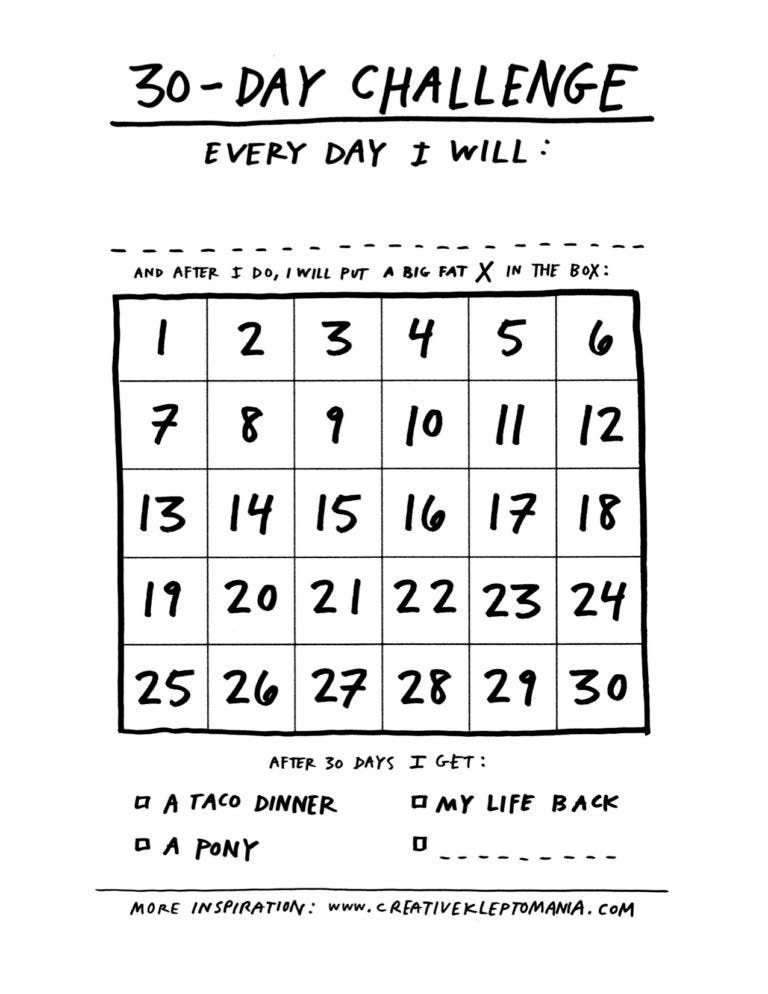
Ask anyone how long it takes to form a new habit, and you'll likely hear "21 days." It's a persistent myth, one that's set countless people up for frustration and failure when they attempt the crucial task of Starting a New Habit or Routine. The truth is, building a lasting habit takes more time than that. A lot more. But understanding the realistic timeline and applying proven strategies can dramatically increase your chances of success and transform your life for the better.
Let's cut through the noise and equip you with the knowledge and tools you need to make new habits stick, whether it's daily exercise, mindful meditation, or a more organized approach to your workday.
At a Glance: Key Takeaways for Habit Formation
- Ditch the 21-Day Myth: Real habit formation takes an average of 59 to 154 days, often at least two months.
- Embrace Patience: Consistency over speed is your mantra. Don't get discouraged by slow progress.
- The Power of the Loop: Habits run on a "cue-routine-reward" cycle. You can change the routine.
- Start Small: Tiny, achievable actions build momentum and prevent overwhelm.
- Stack 'Em: Attach new habits to existing ones for an instant boost.
- Reward Yourself: Positive reinforcement, even small, consistent rewards, helps cement new behaviors.
- Morning Matters: Habits initiated in the morning tend to be more resilient.
- Self-Compassion is Key: Be kind to yourself through setbacks; focus on progress, not perfection.
The Truth About Habit Formation: Beyond the 21-Day Myth
For decades, the idea that a new habit takes just 21 days to form has permeated self-help books and popular culture. While this notion offers a comforting illusion of quick progress, research paints a much more nuanced picture. That persistent "21-day rule" stems from a misinterpretation of a plastic surgeon's observations in the 1950s about his patients adapting to new body images. It was never intended as a universal law of behavior change.
The reality? Habit formation isn't a one-size-fits-all equation. How long it truly takes depends on a multitude of factors: the specific behavior you're trying to establish, how often you repeat it, its complexity, and your individual psychological makeup. Think about it: flossing one tooth daily is inherently less complex than training for a marathon.
Solid research indicates that reaching "automaticity" – that magical point where a behavior becomes second nature, requiring little to no conscious effort – typically takes anywhere between 59 and 154 days. That's usually at least two months, and in many cases, closer to five or six. Some exceptionally simple habits might take as little as four days, while highly complex ones could take nearly a year to embed fully.
Understanding this realistic timeline is crucial. It frees you from the tyranny of arbitrary deadlines and helps you maintain motivation during those inevitable periods when progress feels slow. You're not failing if it takes longer than three weeks; you're simply human, engaged in a complex process.
Why Habits Matter: Freeing Up Your Brainpower
Why bother putting in all this effort to cultivate new routines? The benefits of ingrained habits are profound and far-reaching, extending beyond just achieving specific goals.
First, habits are incredible brain-space savers. When an action becomes automatic, your brain doesn't have to expend precious mental energy deciding if or how to do it. Imagine having to consciously think about every step of brushing your teeth or getting dressed each morning. It would be exhausting! By turning routine tasks into habits, your mind is freed up to tackle more complex problems, be creative, or focus on tasks that truly require your undivided attention.
Second, and equally important, habits significantly reduce decision fatigue. Our brains have a finite amount of willpower and decision-making capacity each day. Every choice, from what to eat for breakfast to what to wear, chips away at this reserve. When you have established habits for recurring actions, you eliminate the need for constant choices, conserving mental energy for truly important decisions. This reduction in mental exhaustion leads to greater clarity, focus, and overall well-being throughout your day.
Understanding the Habit Loop: Cue, Routine, Reward
At its core, habit formation is about your brain's incredible ability to "chunk" sequences of actions together, making them automatic. This process is best understood through what's known as the "habit loop," a three-part neurological pattern that governs how habits are formed and maintained:
- The Cue (Trigger): This is the signal that tells your brain to go into automatic mode and which habit to use. Cues can be anything from a specific time of day, a location, a preceding action, an emotion, or even the company you keep. For example, seeing your running shoes by the door could be a cue to go for a jog.
- The Routine (Action): This is the behavior itself – the new habit you're trying to establish or an existing one you want to change. It's the physical, mental, or emotional action you take in response to the cue.
- The Reward (Benefit): This is the positive outcome your brain craves. Rewards reinforce the habit loop, telling your brain that this particular loop is worth remembering and repeating. The reward can be a feeling of accomplishment, a burst of pleasure, stress relief, or even a tangible treat. For instance, the feeling of invigoration after a workout or the sense of calm after meditation.
While the cue often feels ingrained and the reward is what your brain ultimately seeks, the routine is the element you have the most direct control over. By intentionally modifying the routine within an existing loop, or creating a new loop with a desired routine, you can build powerful, lasting habits.
Your Practical Playbook for Starting a New Habit (And Making It Stick)
Ready to move beyond theory and build the habits that will propel you toward your goals? Here's a practical, step-by-step guide based on what truly works.
1. Embrace the Long Haul: Realistic Timelines & Consistency
Forget the quick fixes. The most important mindset shift for starting a new habit is to understand and accept that it will take time – likely at least two to three months, and possibly much longer. This isn't a flaw in your willpower; it's simply how the human brain works.
Your goal isn't speed; it's consistency. Aim for regular repetition, even if it's imperfect. Showing up consistently, even for a brief period, builds the neural pathways that solidify your habit. Track your progress, not to judge perfection, but to see your streak and remind yourself of your commitment. A simple calendar with Xs for each successful day can be incredibly motivating.
2. Stack 'Em Up: Leverage Existing Routines
One of the most powerful strategies for starting a new habit is called "habit stacking." This involves attaching a new habit to an existing, well-established routine you already perform regularly. By doing so, you leverage the strong synaptic links and established neural patterns of an old habit to "pull along" the new one.
Think of it like this: your existing habits already have a strong cue. By adding a new routine immediately after, you give the new habit a clear, consistent trigger.
Examples:
- "After I pour my morning coffee, I will drink a glass of water."
- "After I finish my workday, I will spend 15 minutes organizing my desk."
- "After I put my child to bed, I will read 10 pages of a book."
The trick is to be very specific: "After [current habit], I will [new habit]." This strategy is incredibly effective for integrating new behaviors seamlessly into your daily life without needing to invent new cues from scratch. It's a fantastic way to optimize your existing time management strategies.
3. Sweeten the Deal: Build in Rewards & Use the Premack Principle
Your brain loves rewards. To make a new habit stick, you need to give your brain a reason to repeat the action. While the long-term benefits of a habit are the ultimate reward, immediate gratification helps solidify the loop in the early stages.
One effective way to do this is using the Premack Principle, also known as "grandma's rule": you pair a less enjoyable (but necessary) habit with a preferred, enjoyable one. "First, do the thing you don't want to do, then you get to do the thing you do want to do."
Examples:
- "After I do 15 minutes of chores, I will listen to 30 minutes of my favorite podcast."
- "After I complete my difficult work task, I will take a 10-minute coffee break."
- "After I do my daily meditation, I will enjoy a cup of tea."
The reward should ideally be something you genuinely look forward to and that happens immediately after the new habit. This positive reinforcement tells your brain, "Hey, that effort was worth it!"
4. Think Tiny: Start Small and Shape Gradually
Often, we bite off more than we can chew when starting a new habit. We aim for an hour of intense exercise when we've been sedentary, or a complete diet overhaul overnight. This leads to burnout and failure.
The key is to start incredibly small. So small, in fact, that it feels almost ridiculous. This strategy is called "shaping" – gradually building a behavior toward a larger goal through small, manageable steps.
Examples:
- Instead of "run 3 miles," try "put on my running shoes."
- Instead of "meditate for 20 minutes," try "sit silently for 2 minutes."
- Instead of "write a chapter," try "write one sentence."
The goal in the beginning isn't the outcome; it's simply to show up. Once you've consistently performed the tiny habit for a week or two, you can gradually increase the intensity or duration. This incremental approach builds confidence and consistency without triggering your brain's resistance to change.
5. Pinpoint Your Triggers: Clear & Specific Cues
For a habit to become automatic, it needs a reliable cue. Without a clear trigger, you'll constantly rely on willpower to remember to do the habit, which is a recipe for inconsistency.
Spend some time identifying specific cues that naturally fit into your daily routine.
When choosing a cue, consider:
- Time: "Every morning at 7:00 AM."
- Location: "When I step into the kitchen."
- Prior Action: "After I brush my teeth."
- Emotion: "When I feel stressed."
The more specific and consistent your cue, the easier it will be for your brain to link it to your new routine. Avoid vague cues like "sometime today" or "when I feel like it."
6. Ensure Alignment: Goals, Cues, & Actions in Harmony
For a habit to truly stick, there needs to be a seamless connection between your overarching goals, the cues you choose, and the actions you perform. If your habit feels out of sync with your values or the practicalities of your life, it's destined to struggle.
For example, if your goal is better sleep, and your cue for "winding down" is watching an action movie right before bed, there's a misalignment. The cue (action movie) and the routine (watching) contradict the goal (calm sleep). Instead, your cue might be "when I turn off the main lights at 9 PM," and your routine might be "read a physical book for 20 minutes."
Take a moment to reflect: Does this new habit genuinely serve a goal that matters to you? Is the trigger practical within your daily life? Do the actions themselves align with the desired outcome? When all three are in harmony, the habit gains powerful momentum.
7. Choose Your Own Adventure: The Power of Personal Choice
You are far more likely to stick with a habit if it's something you genuinely chose for yourself, rather than something you feel obligated to do or that was imposed upon you. This might seem obvious, but it's often overlooked.
Before committing to a new habit, ask yourself:
- Do I really want to do this, or do I feel like I should?
- Does this habit align with my personal values and aspirations?
- Is there a version of this habit that feels more intrinsically motivating for me?
For instance, if you want to be more active, but hate running, don't force yourself to run. Perhaps dancing, hiking, or swimming would be a better, more personally chosen path to the same goal. Personal agency is a powerful fuel for sustained effort.
8. Seize the Morning: Why Morning Habits Are Gold
While you can build habits at any time of day, those practiced in the morning tend to form more reliably and persist longer. There's a powerful physiological and psychological reason for this: willpower and decision-making capacity are generally at their highest early in the day.
As the day progresses, we accumulate decisions, encounter challenges, and our mental energy wanes, leading to increased decision fatigue. By tackling your new habit first thing, you capitalize on your fresh mental state before the demands of the day deplete your reserves. It also creates a sense of accomplishment that can positively influence the rest of your day, giving you a boost in boosting your motivation.
If possible, schedule your new habit before other major demands kick in. Make it the first win of your day.
9. Practice Self-Compassion: The Antidote to Perfectionism
No one is perfect, and you will undoubtedly miss a day or falter in your new routine. This is not a sign of failure; it's a normal part of the process. The critical difference between those who succeed and those who give up often lies in how they respond to these setbacks.
Instead of beating yourself up or abandoning the habit entirely after a missed day, practice self-compassion. Acknowledge the slip without judgment. Forgive yourself. Then, gently but firmly, get back on track the very next opportunity you have. Don't let one missed day turn into two, or two into a week.
Focus on your overall progress and consistency rather than striving for an unattainable ideal of perfection. Remember, the goal is long-term automaticity, not a flawless streak. Learning to be kind to yourself through the inevitable bumps can also be enhanced through mindfulness techniques.
Tackling Decision Fatigue: A Hidden Habit Blocker
We touched on decision fatigue earlier as a reason why habits are beneficial. Now, let's look at how to actively combat it to clear the path for new habits. Many people struggle to maintain new routines not because of a lack of willpower, but because their willpower is simply exhausted by the sheer volume of choices they face daily.
Where does decision fatigue show up?
- Meal planning: "What should I eat for breakfast, lunch, and dinner every single day?"
- Wardrobe choices: "What should I wear today?"
- Email management: "Which email do I respond to first?"
- Task prioritization: "What should I work on next?"
To mitigate decision fatigue and conserve your mental energy for habit building, implement strategies like: - Pre-deciding: Choose your outfits for the week on Sunday. Plan your meals for the next few days. Decide the night before what your first important task will be the next morning.
- Automation/Templating: Use templates for routine emails. Create a default healthy lunch you can grab quickly.
- Delegation/Elimination: If possible, delegate tasks that drain your decision-making. Eliminate unnecessary choices (e.g., sticking to a few outfits you love).
By reducing the number of small, inconsequential decisions, you free up mental bandwidth to focus on consistently performing your new habits. This conscious effort to manage your decision load can significantly bolster your habit-forming success.
When to Break the Cycle: Disrupting Unwanted Habits
The same habit loop that helps you build good routines can be used to dismantle undesirable ones. If there's an old habit you want to shed, you don't necessarily have to eliminate the cue or the reward. Often, the most effective approach is to disrupt the routine itself.
Here's how to apply the habit loop for change:
- Identify the Cue: What triggers your unwanted habit? Is it a specific time, place, emotion, or another person? For example, if you habitually check social media when you feel bored.
- Recognize the Reward: What craving does the unwanted habit satisfy? Is it distraction, connection, temporary escape, or pleasure? In the social media example, the reward might be distraction from boredom or a sense of connection.
- Choose a Different Routine: Instead of trying to suppress the urge (which rarely works long-term), intentionally choose a new, healthier routine that delivers the same reward. If your cue is boredom and your reward is distraction, instead of social media, could you pick up a book, call a friend, or go for a short walk?
By consciously inserting a new routine in response to the old cue, you begin to rewire the neural pathway. Over time, the new routine becomes the automatic response, and the old, unwanted habit fades. This active, conscious choice in the face of a trigger is key to overcoming procrastination and other ingrained patterns.
Your Next Step: Building a Habit That Lasts
Starting a new habit or routine isn't a race; it's a marathon. It demands patience, consistency, and self-compassion, but the rewards are immense. By understanding the true timeline for habit formation, embracing small, consistent steps, and strategically leveraging your existing routines and rewards, you can transform aspirations into automatic actions.
Don't wait for motivation to strike perfectly. Start small, right now, with one single, tiny habit. Remember, showing up consistently is more important than performing perfectly. Every small success builds momentum, proving to yourself that change is not only possible but within your grasp.
Ready to take control of your daily actions and build the life you envision? You don't need superhuman willpower; you need a smart strategy and consistent effort. Get started here and make your next habit your most successful one yet.